Artificial Turf Installation in Plano, TX

Click to Call972-843-9703

Turf Lawns, Dog Areas and Putting Greens for Plano Homes
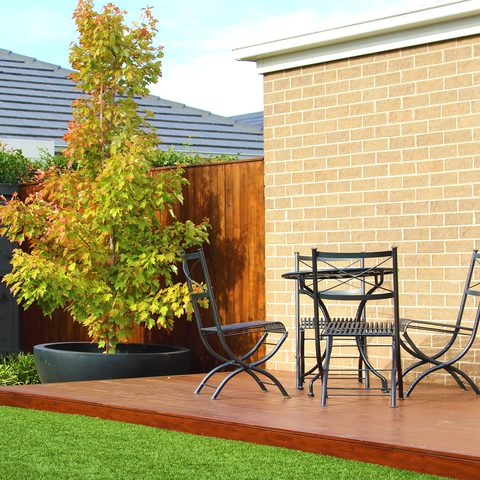
Wooden deck with metal bistro chairs at the edge of artificial grass

Plano Turf Co. handles artificial turf installation for houses across Plano: front lawns, backyards, dog runs, side yards and putting greens, plus repairs to turf that is already down. If a patch of grass keeps dying under the trees, or the dog has worn a dirt track along the fence, that is usually where the conversation starts.

Much of Plano sits on heavy clay. It cracks open in a dry August, turns to sticky mud after a spring storm, and shifts a little with every swing between the two. That is why the base and the drainage get as much space below as the turf itself.

A free quote starts with a visit. Once you call or send the form, we set a time, look over the yard with you and measure the parts you have in mind.

A rough idea is plenty to start with. The back half of the yard and maybe the side strip is a perfectly good first description, and the details get settled standing in the grass.

Each type of job has its own page: artificial grass lawns, pet turf, backyard putting greens and turf repair.

Call 972-843-9703, or send the form and we will get back to you about a visit.

Free Turf Quote

Free quote. No obligation.
What do you need?

What We Install in Plano Yards


Most yards need one or more of these four.

Artificial grass lawns

This covers a front or back lawn that has turned into more trouble than it is worth. Keeping grass going on clay through a North Texas summer takes a lot of effort, and plenty of owners would rather spend those weekends on something else. The artificial grass lawns page covers how a full lawn is planned, from taking out the old sod to choosing a shade of green that sits well next to the neighbors’ yards.

Pet turf

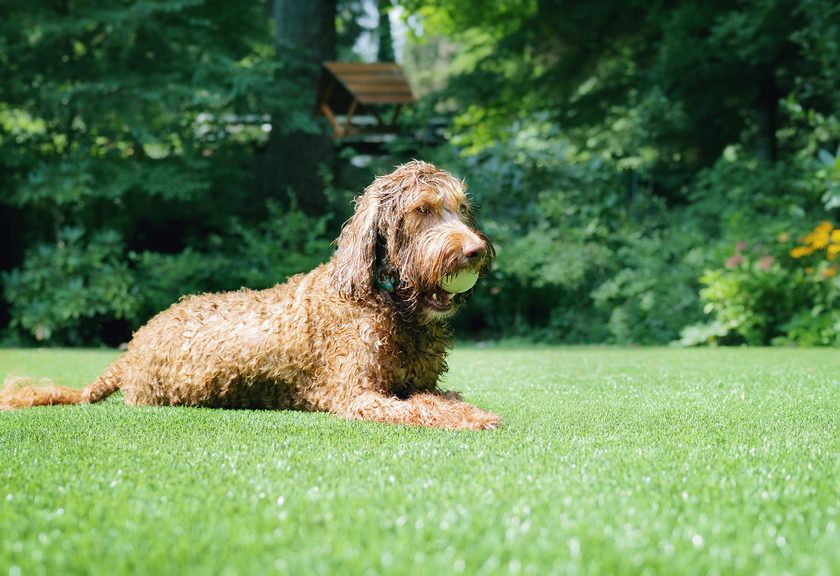
A dog runs the same line along the fence, digs by the gate and leaves yellow spots near the back door. Turf for a pet area is set up with drainage and cleaning in mind, since everything that lands on it has to rinse through. The pet turf page explains how dog areas are laid out and kept.

Backyard putting greens

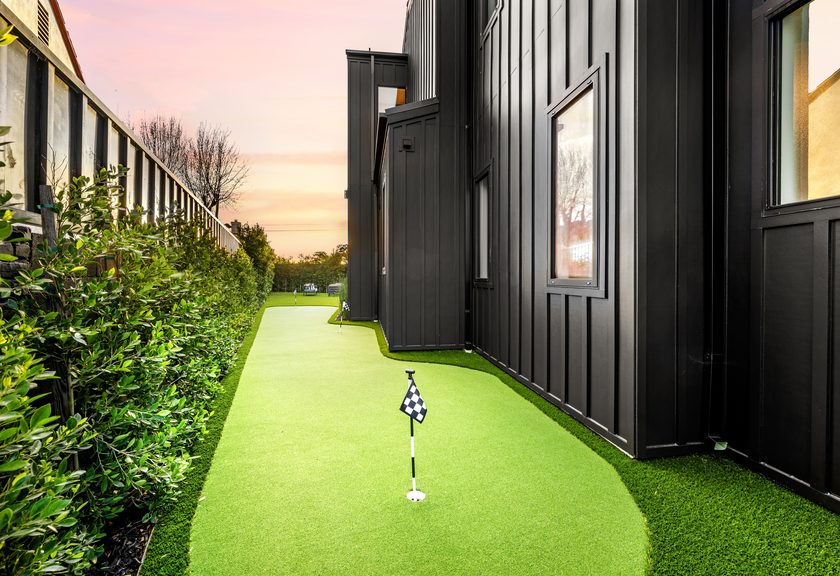
A practice green can be a corner of the yard or a long strip down the side of the house. Putting turf is shorter and denser than lawn turf, and the ground under it is shaped with more care, because a rolling ball finds every bump. The putting greens page goes through sizes, cups and contours.

Turf repair

Turf that is already in the ground sometimes needs help: a seam that has opened, an edge that has lifted, a dip that holds water, or a melted patch near the grill. If another company laid it, we can still come out and look at it. The artificial turf repair page lists the usual problems and how they tend to be fixed.

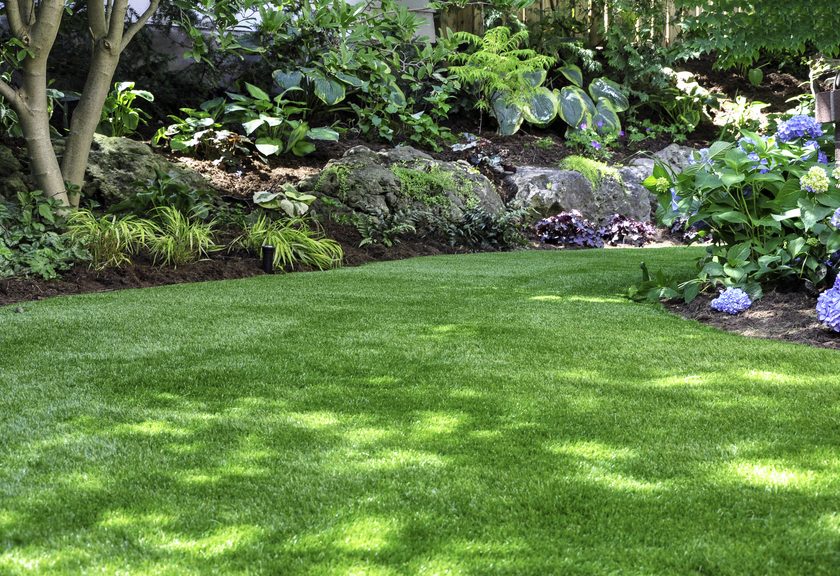
Even green lawn curving past a shady bed of hostas, ferns and hydrangeasCurly brown dog lying on a green lawn with a ball in its mouthNarrow putting green with a flag, running the length of a dark house wall

The Steps in an Artificial Turf Installation


Every yard is a little different, but most jobs follow the same order of work.

1. A look at the yard

We walk the area with you and measure it, noting the slope, the gates, the trees and every sprinkler head. The free quote is built from what we see, so this is also the time to talk about how the yard gets used and where water goes when it rains.

2. Taking out the old lawn

The existing grass is generally cut out with its roots and a few inches of soil, so the new base rests on firm ground and not on rotting sod. Where Bermuda grass is growing, it is generally killed off or fully dug out first, because runners left in the ground can grow back through or around the base. Sprinkler heads inside the area are capped or moved, depending on the plan.

3. Building the base

Crushed rock or a similar aggregate goes down in layers, each one wetted and packed. The finished base is graded so water runs away from the house, which counts for a lot on clay that soaks up rain slowly.

4. Edging

A border along beds, walks and fences gives the turf something to fasten to. Depending on the yard, that may be a board, a metal or plastic edge, or the side of an existing concrete walk.

5. Laying and seaming

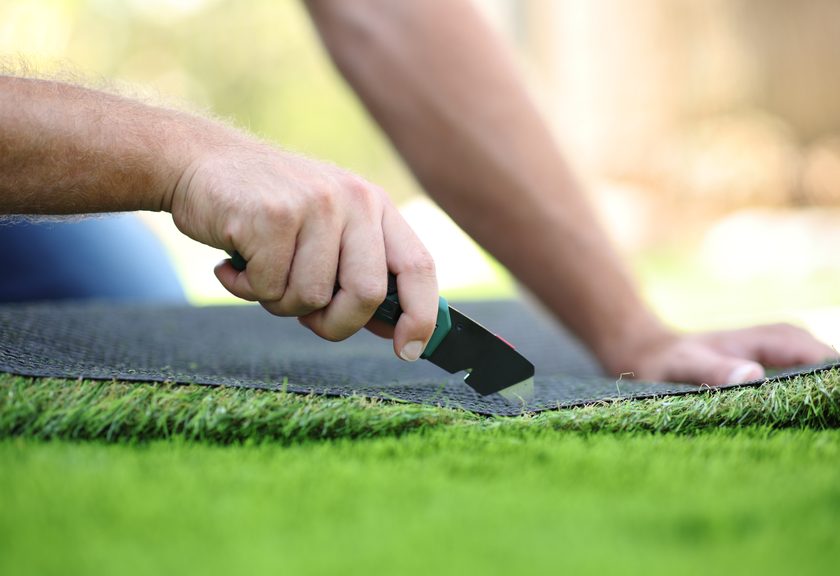
The rolls are spread out with every piece leaning the same direction, so the color reads as one lawn from the street. Where two pieces meet, they are joined with seam tape and adhesive. The outside edges are trimmed to the border and fastened down.

6. Infill and brushing

Infill, most often a kind of sand, is spread over the top and brushed down between the fibers. It adds the turf down and holds the fibers upright.

7. Cleanup and a walk-through

Leftover soil, scraps and packaging are cleared away, and the turf gets a last brushing. Walk the yard with the installer before they leave and point out any edge or seam you are not happy with.

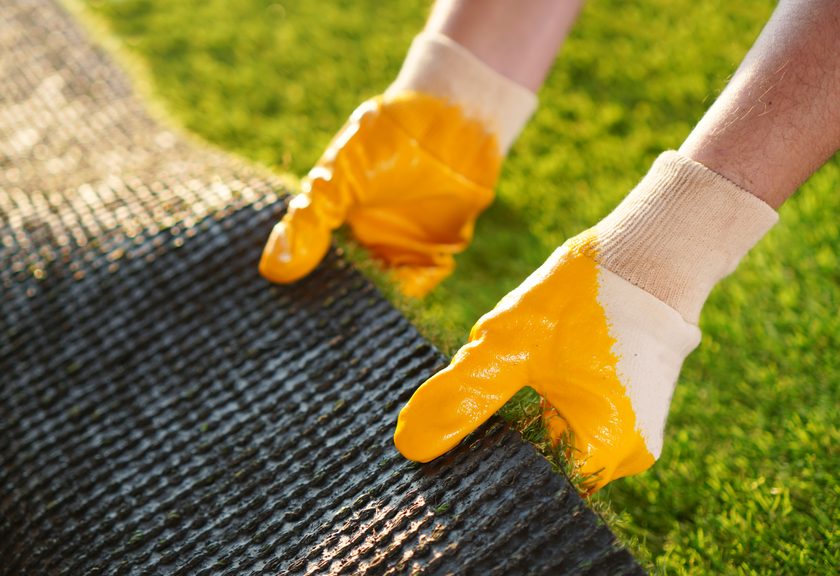
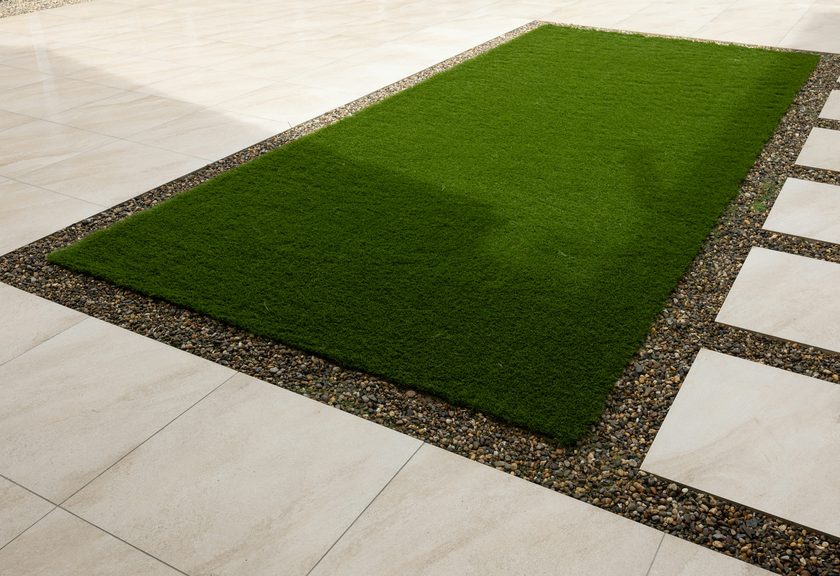
Gloved hands turning back a roll of turf to show its woven backingHand trimming the black backing of a piece of turf with a utility knifeRectangle of artificial grass framed by gravel and large pale paving stones

Plano Yards: Clay Soil, Watering Days and Weather


The ground under the grass

Collin County lies almost entirely within the Blackland Prairie. The Texas State Historical Association describes the soils across the center and west of the county as deep clay over marl and chalk. Houston Black, the Texas state soil, covers about 1.5 million acres of the Blackland Prairie, and the Texas Water Development Board describes it as a highly expansive clay that shrinks and swells as its moisture changes.

Clays like Houston Black take in water rapidly when dry and cracked, and very slowly once wet. For turf, that means a long rain can leave water sitting at the bottom of the base with nowhere to go. The common answer is a base graded to carry water toward the yard’s existing drainage and away from the slab, with low spots dealt with before the turf goes down, not after.

Plano’s watering guidelines let foundations be watered with a hand-held or soaker hose on any day, for a limited time. If turf will run right up to the house, ask at the visit how the strip next to the foundation will be handled.

Outdoor watering schedule

Plano buys its treated water from the North Texas Municipal Water District, and the city publishes its own outdoor watering guidelines. Under the current ones, sprinklers can run up to twice a week from April through October and once a week from November through March. Days are set by whether the address ends in an even or odd number, and sprinklers are not supposed to run between 10 a.m. and 6 p.m.

The schedule has been tightened during past droughts, as it was in the fall of 2011, so check the city’s water conservation pages for the rules in effect before you set a controller. Turf itself needs no sprinkler. The trees and beds around it still do, and so does any strip of living lawn you keep.

Heat and hail

Summers are long and hot. The National Weather Service office in Fort Worth puts the average first 100-degree day at Dallas/Fort Worth around July 1 and the average last one in late August, and 2011 had 71 of them. Turf in full afternoon sun gets hot on days like that.

Spring storms bring hail to this part of Texas. On the night of March 23, 2016, storm reports logged hail the size of golf balls in parts of Plano, and hail fell across parts of Collin, Dallas and Denton counties. Storms like that also bring down leaves and small branches, which end up on the turf.

Sun, Shade and the Best Spots for Turf


Places turf tends to suit

Places to plan around

Synthetic grass gets hot in direct summer sun. On a bright July afternoon the surface can feel much warmer than the air, enough that bare feet and paws notice, and that is true of any turf you choose.

Shade helps most. Turf under a mature tree or a patio cover sits out of the worst of the afternoon sun. Otherwise, lay a hand flat on the turf before kids or dogs head out, use the yard in the morning and evening in midsummer, and remember that a rinse with the hose takes the edge off the heat for a short while.

Talking to Your HOA Before You Buy Turf


In a Plano neighborhood with an HOA, a turf project may need the association’s sign-off before any work starts, and front yards draw the most attention. Get an answer in hand before you sign for an artificial turf installation.

Questions to put to the association

Whatever the committee asks for, bring it to the visit so it can be priced in. Planning anything in the strip between the sidewalk and the street? Check with the city before you count on it.

What Artificial Turf Installation Costs in Plano


We price a yard only after seeing it, and there is no charge for that visit. The table lists what raises or lowers the number:

FactorWhat it covers
Size and shapeSquare footage, curves and how many seams the layout needs
Old lawnHow much grass, root and soil comes out, and how it leaves the property
Base and drainageDepth of base, grading, low spots and slope toward the house
AccessGate width, steps, and how far material is carried from the street
EdgingLength of border, how many curves, and the material used
Turf and infillBlade height, density, thatch, color and type of infill
ExtrasSprinkler changes, putting cups, drainage for a pet area

Open, square yards with a wide gate are the simplest to price. Narrow side yards, lots of curves and a long carry from the driveway add labor. Getting the front, the back and the dog run priced on one visit makes more sense than three separate calls.

To get a figure for your own yard, call 972-843-9703 and set up a time.

Our Service Area Around Plano


We work across Plano, including Willow Bend, the Legacy area, Deerfield, Hunters Glen, Whiffletree, Preston Meadow, Old Shepard Place and the older blocks around downtown Plano and Haggard Park. A corner of the city reaches into Denton County, and those addresses are covered too.

Outside the city limits, we also take jobs in Allen, Frisco, Richardson, Murphy, Parker, McKinney and Wylie. Not sure whether your street is in range? Call 972-843-9703 and ask.

Plano Turf FAQ


Green shoots keep poking up along the edge of my turf. What are they?

Often Bermuda grass. Its runners travel under borders and through gaps, and if it was not killed off or dug out before the base went in, it can work its way back up along edges and seams. Pulling shoots as soon as they show keeps them from spreading, and a heavy comeback may mean the edge itself needs work.

What about the strip of ground next to my foundation?

Turf changes how much water reaches the soil beside the slab, and on expansive clay that matters to the foundation. Some owners keep a narrow bed or a soaker hose line along the foundation instead of running turf to the wall. Ask at the visit what makes sense for your house.

Where does the rain go after a big storm?

Through the backing, down into the base, and then along the slope of the ground under the base. Wet clay barely lets water in, so that slope does most of the work. Water that sits on the surface long after the rain stops points to a base or grading problem.

Can I put turf in just one part of the yard?

Yes, and plenty of jobs are exactly that: a dog run, the bare ground under a shade tree, a side yard or a small green, with living grass kept everywhere else. A firm edge between the two helps keep runners of real grass out of the turf.

Once the turf is in, which watering day do I follow?

The same one as before, for anything still on a sprinkler. Plano sets days by address, so the trees, beds and any living grass you keep stay on your address’s schedule. The turf itself doesn’t need a slot, and a zone that now covers only turf can be shut off.

What should I do with the turf after a hailstorm?

Mostly clean up. Spring storms strip leaves and twigs off the trees, and hail shreds foliage onto the surface. Once things dry out, blow or rake the debris off, check that edges and seams are still down, and look for spots where runoff moved the infill.

Is it fine to leave fallen leaves on turf all winter?

It is better not to. Wet leaves hold moisture against the fibers and break down into the infill. A leaf blower on a low setting or a plastic rake clears them, and yards under big trees need it more often in the fall.

How do I get a price for my yard?

Call 972-843-9703 or send the form. We come out, measure, look at drainage and access, and give you a free quote for the artificial turf installation you have in mind.

Click to Call972-843-9703
Click to Call: 972-843-9703